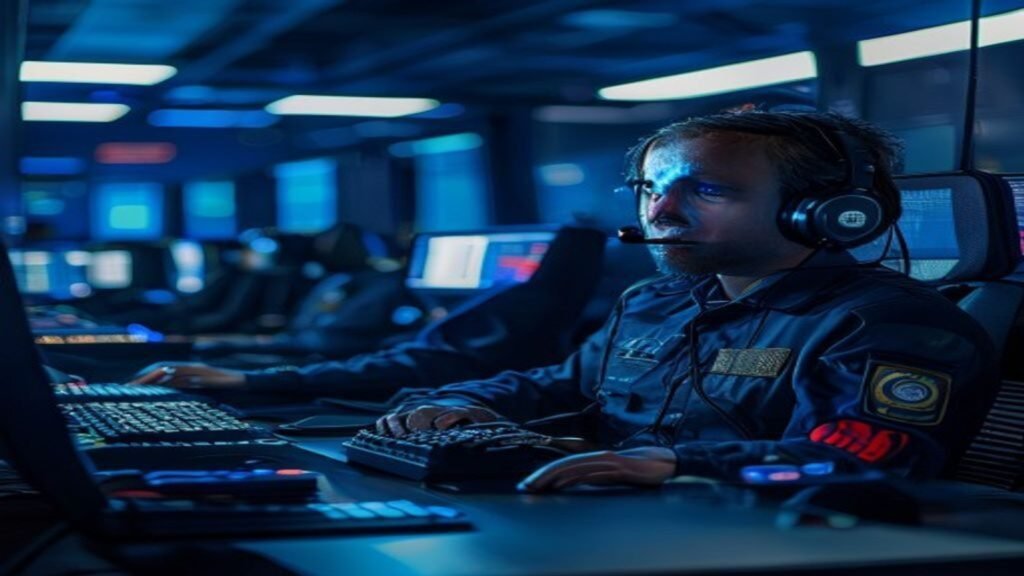
America’s 911 system was designed in an era of rotary phones and copper wires — a marvel of 1968 engineering that assumed every caller stood next to a wall-mounted telephone with a fixed address. More than five decades later, the overwhelming majority of emergency calls come from mobile phones, and the nation’s roughly 6,000 emergency call centers are in the midst of the largest technological overhaul in the system’s history: the transition to Next Generation 911.
Why the Old System Struggled
The core problem has always been location. Legacy 911 infrastructure was built to deliver a landline’s registered address to dispatchers automatically. Mobile calls broke that assumption; for years, dispatchers received only the location of the nearest cell tower — sometimes miles from the caller. Emergency officials have long described the painful irony that a ride-hailing app could find a customer faster than the system designed to save their life. Modern device-based location technology has narrowed that gap dramatically, delivering GPS-grade coordinates from smartphones directly to call centers in most of the country.
What Next Generation 911 Actually Changes
The NG911 transition replaces analog phone-line plumbing with internet-protocol networks, and the practical differences are significant. Text-to-911 — critical for callers who cannot speak safely, including domestic violence situations and people who are deaf or hard of hearing — is now available across most of the American population. IP-based call routing lets overwhelmed centers transfer calls, with full data, to neighboring counties during disasters, ending the busy signals that plagued past hurricanes and mass emergencies. And the incoming generation of systems supports photos and video from callers: a dispatcher who can see a car crash, a fire’s spread, or a medical emergency can send better-prepared responders.
The Dispatcher Shortage Behind the Screens
Technology, however, has collided with a workforce crisis. Emergency communications centers nationwide report chronic understaffing, with vacancy rates in many large cities running well into double digits. The job is grueling — dispatchers routinely handle life-and-death calls for hours without pause — and advocates have pushed for years to have the role reclassified federally as a protective service occupation rather than clerical work, a change that affects benefits, retirement, and recognition. Many states have moved ahead with their own reclassifications, and centers are experimenting with mental-health support, flexible scheduling, and significant pay increases to stem turnover.
Paying for the Upgrade
The transition’s largest obstacle is money. Independent estimates have placed the nationwide cost of completing NG911 in the billions of dollars, and progress varies dramatically by state: some have fully modernized statewide networks, while rural counties elsewhere still run decades-old equipment. Federal grant programs have helped, but public-safety organizations continue to press Congress for comprehensive funding, warning that a patchwork national system creates dangerous seams — an emergency does not stop at a county line, but incompatible technology sometimes does.
What It Means for Callers
For ordinary Americans, the guidance from emergency officials is practical. Call if you can, text if you cannot. Know that your smartphone’s location services materially improve how quickly help finds you. And when traveling, remember that capabilities differ: the text message that reaches a dispatcher at home may not be supported in every county yet.
The system that answers America’s worst moments is being rebuilt mid-flight, call by call, county by county. The finish line — a fully digital, fully connected national lifeline — is finally visible. Getting there before the next major disaster is the race that emergency officials quietly run every day.