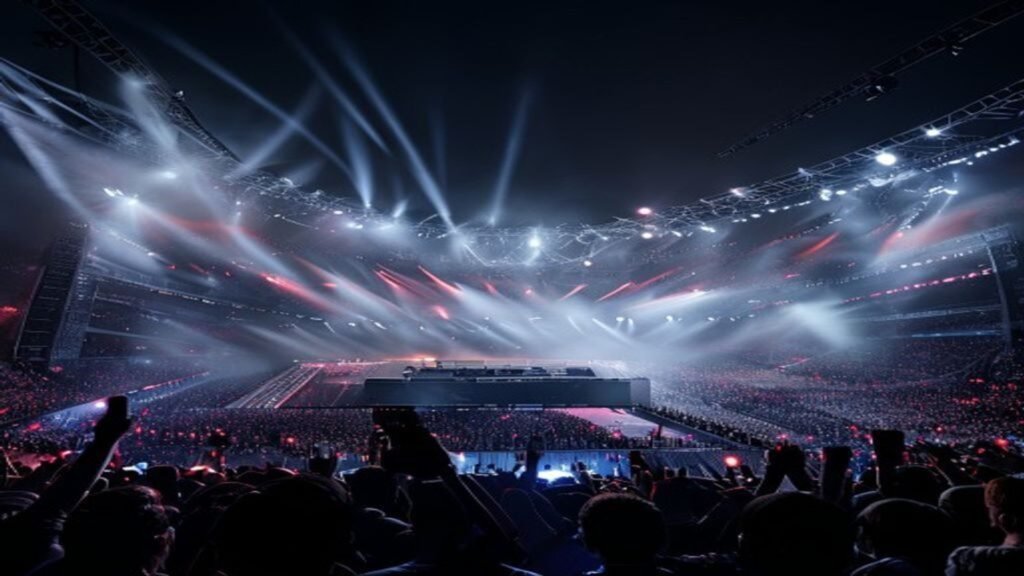
Recorded music made musicians famous; the road now makes them rich. Live performance has become the modern music industry’s economic center — a global business generating tens of billions annually, smashing grosses records year after year, and turning stadium tours into cultural events that move city-sized economies. The gold rush is real. So are the fights over who gets the gold.
How Touring Became the Business
Streaming rebuilt music’s audience but shrank its per-listen economics; for most artists, recorded royalties became marketing for the true product — the ticket. Superstar tours now gross figures once unthinkable, led by history-making runs that topped a billion dollars and dozens of tours clearing nine figures. The infrastructure scaled to match: promoters operate global routing machines; stadiums retrofit for residencies; and cities court tours with the fervor once reserved for conventions, citing hotel, restaurant, and tax windfalls that economists (sometimes skeptically) tally in the hundreds of millions per stop.
The Price of Admission
The boom’s defining controversy is the ticket itself. Average concert prices have climbed far faster than inflation, dynamic pricing pushes marquee seats into four figures, and the resale market layers on markups that make headlines with every major on-sale. Fee transparency became federal policy — all-in pricing rules now require the true total upfront — while bot-driven scalping, despite long-standing law, still hoovers inventory faster than fans can click. The industry’s dominant player, Live Nation-Ticketmaster, spent the era defending an antitrust suit brought by the Justice Department and dozens of states seeking structural change, a case whose outcome will shape the business for decades regardless of result.
The Squeeze Below the Stadium
The paradox of the boom: while stadiums sell out, the middle of live music strains. Independent venues — the clubs where careers begin — face rising rents, insurance, and costs that pandemic-era relief only postponed; hundreds have closed, and advocacy groups warn the developmental pipeline is thinning. Mid-tier artists report tours that gross well yet net little after fuel, crews, and fees, with some canceling runs rather than losing money. The industry’s response experiments include superstar funds supporting small rooms, ticket surcharges routed to grassroots venues, and festival slots doubling as farm systems.
The Experience Arms Race
Competition for the entertainment dollar keeps raising the spectacle bar: production budgets rival film shoots, residencies at purpose-built venues — spheres included — redefine what a concert can look like, and VIP packages, films, and livestreams extend a tour’s revenue far beyond the gate. Fans, for their part, keep voting with wallets; surveys show live events ranking among the last discretionary spends consumers cut, the experience economy’s most durable pillar.
The Encore Question
Can it last? Skeptics point to price fatigue and a possible superstar supply problem — the arena headliners of 2040 must be built in the struggling clubs of today. Optimists answer with sold-out data and a truth older than the industry: music’s scarcest product was never the recording but the room where it happens, together, once. The gold rush will cycle. The demand for the encore, history suggests, will not.