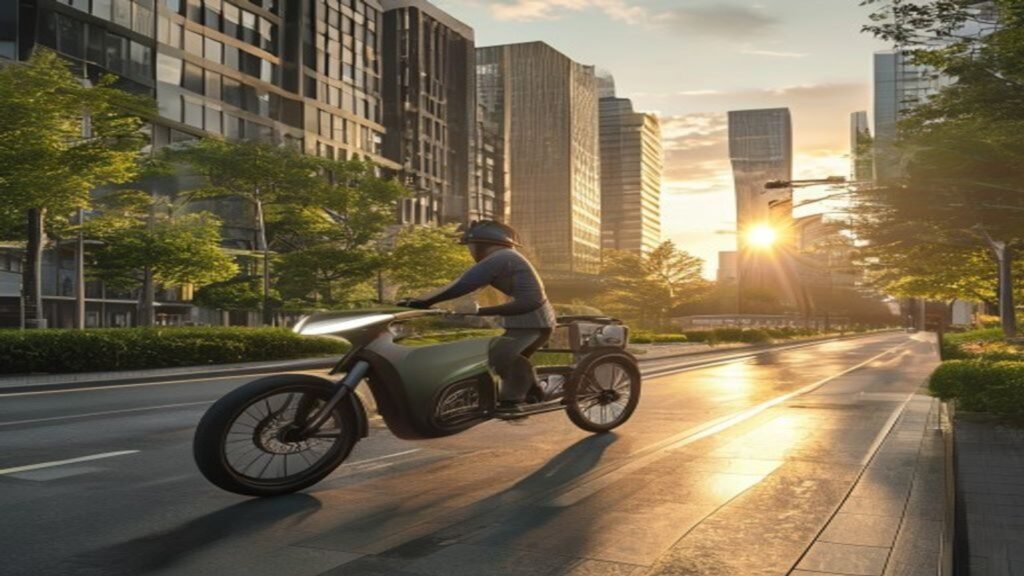
The fastest-growing vehicle on American streets does not have a steering wheel. Electric bicycles have quietly become one of the country’s best-selling electric vehicles, with annual sales running into the millions and outpacing electric cars — and the surge is forcing U.S. cities into a scramble of street redesigns, new rules, and hard questions about who roads are actually for.
From Niche Toy to Daily Transport
The e-bike’s breakout owes to a simple proposition: it flattens hills, shrinks distances, and turns a sweaty commute into a manageable one. Riders skew far broader than traditional cycling — parents hauling children on cargo bikes, older Americans returning to two wheels, delivery workers powering the app economy in every major city. Surveys of e-bike owners consistently find that a large share of their trips replace car trips outright, exactly the substitution transportation planners have chased for decades. State and local incentive programs — rebates that knock hundreds of dollars off a purchase — have repeatedly exhausted their funding within days of opening.
The Infrastructure Catch-Up
The boom collided with streets designed for neither bikes nor their electric descendants. Cities from Austin to Minneapolis to Washington have accelerated protected-bike-lane construction, learning a consistent lesson: painted lanes do not persuade new riders, but physically separated ones do. Networks matter more than segments — a protected lane that ends abruptly at a six-lane arterial loses the family riders the infrastructure is meant to attract. The leading cities now plan connected low-stress networks, complete with protected intersections, bike-priority signals, and secure parking, borrowing liberally from Dutch and Danish playbooks.
Speed is the new design variable. With commuter e-bikes cruising at 20 miles per hour and some models capable of 28, planners are rethinking lane widths, passing space, and how to separate fast riders from pedestrians on shared paths — a friction point in nearly every city with a popular waterfront trail.
The Rulebook Being Written in Real Time
Regulation has lagged the hardware. Most states have adopted the three-class e-bike framework — distinguishing pedal-assist commuters from throttle-powered and higher-speed models — but enforcement and local rules vary block to block. Cities are wrestling with where the fastest models belong, how to manage teenage riders on high-powered bikes marketed as toys, and how delivery platforms’ incentives shape street behavior. Battery safety has driven its own policy wave: after fires linked to uncertified lithium-ion packs, major cities have moved toward certification requirements, safe-charging rooms, and trade-in programs that retire sketchy batteries.
What the Shift Means
The stakes are larger than cycling. Transportation remains America’s biggest source of carbon emissions, and short car trips — the kind e-bikes eat for breakfast — make up a huge share of urban driving. Every substituted trip also means less parking demand, less congestion, and, city budget offices note, less wear on roads. Bike shops, meanwhile, have become an unexpected Main Street success story, with service departments booked out on conversions and commuter builds.
The American street spent a century being optimized for one vehicle. The e-bike’s rise suggests the next optimization is already underway — quieter, lighter, and moving about twenty miles per hour, in a lane cities are still learning how to build.